
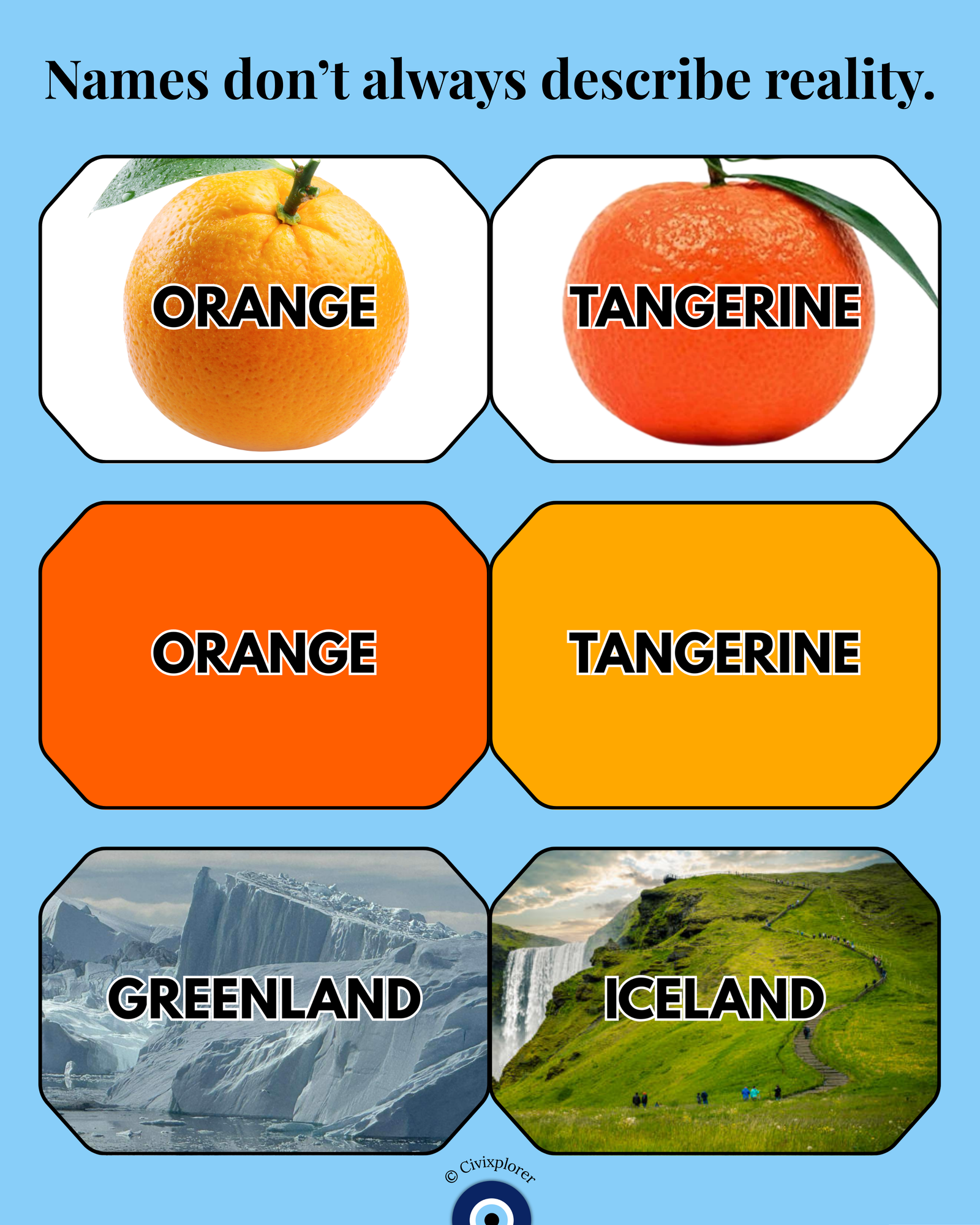
Language and labels often shape our perception of the world, but as any seasoned traveler knows, names don't always describe reality. One of the most famous geographic paradoxes involves two North Atlantic neighbors: Iceland and Greenland. While the former is a lush, volcanic landscape with vibrant green valleys, the latter is dominated by a massive, ancient ice sheet. This mismatch isn't a modern mistake but a result of Viking-era history, personal bitterness, and perhaps the world's first major real estate marketing campaign.
The story of Iceland’s name begins with a Norse explorer named Hrafna-Flóki Vilgerðarson in the 9th century. His journey to the island was marked by tragedy and ill preparation. After losing his livestock to a particularly brutal winter, a frustrated Flóki climbed a mountain in the spring and spotted a fjord filled with drift ice—ironically, ice that had likely floated over from Greenland. In his bitterness, he branded the entire landmass "Iceland." Despite this icy moniker, the island actually benefits from the Gulf Stream, which provides a temperate maritime climate that keeps its valleys verdant and habitable.
Greenland’s name, conversely, was a deliberate piece of branding by Erik the Red in 982 AD. Exiled from Iceland for manslaughter, Erik spent three years exploring the massive island to the west. Upon his return, he sought to entice settlers to join him in establishing a new colony. Knowing that people would be hesitant to move to a frozen wasteland, he chose the name "Greenland" to make the destination sound appealing. At the time, during the Medieval Warm Period, the southern fjords where he settled were actually quite green and suitable for Norse farming, though today 80% of the island remains under ice.
Even in our everyday lives, these linguistic quirks persist, such as in the world of citrus. The fruit we call an "orange" often leans toward a yellowish hue that matches the design palette for "tangerine," while the fruit we call a "tangerine" often features the deep, reddish-orange rind that matches the hex color "orange." These instances serve as a recurring reminder that human intent, history, and perception often define the labels we use, regardless of the physical reality they represent.
Comments (0)
Join the Conversation
Login to share your thoughts with the community.
Login to Comment