
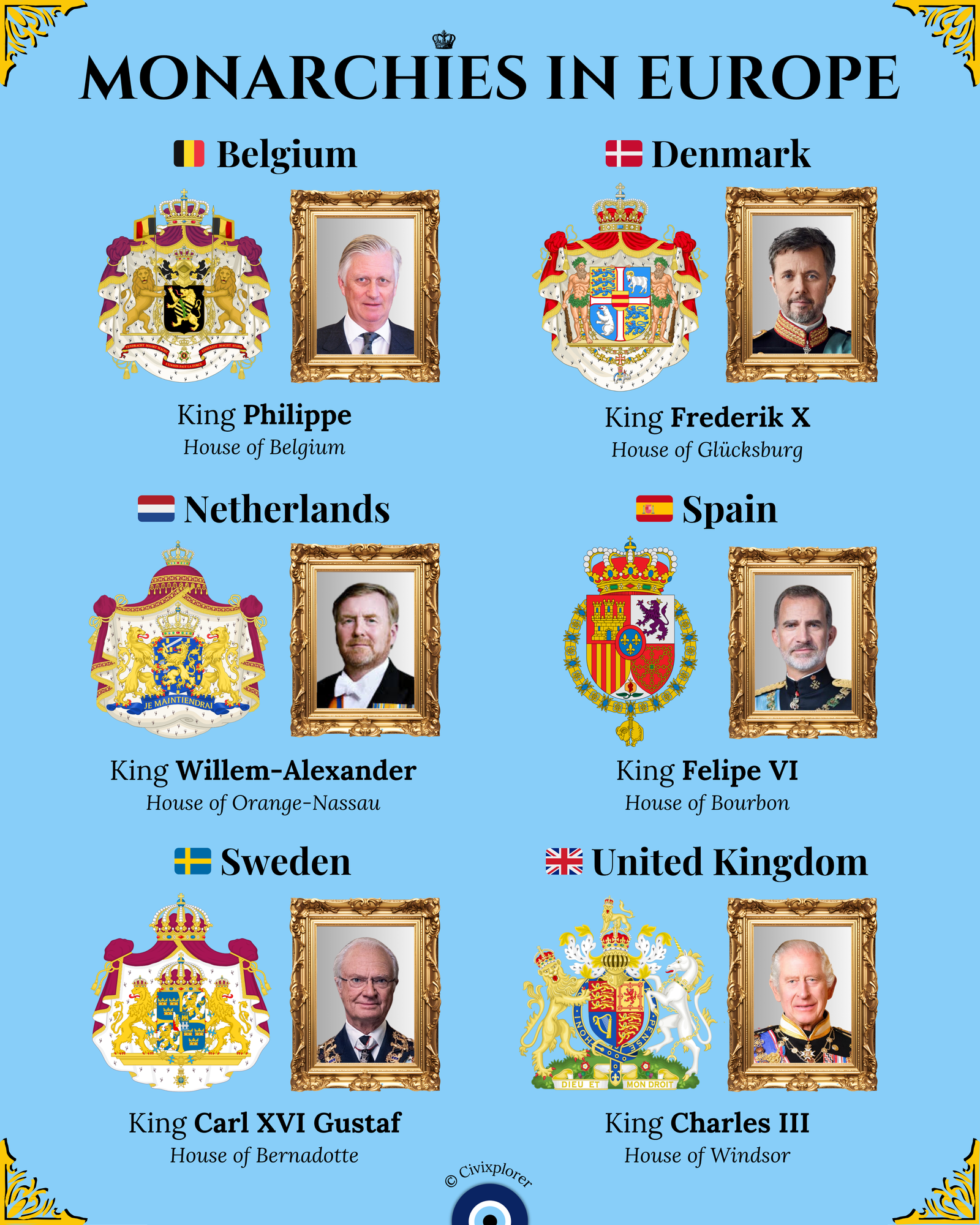
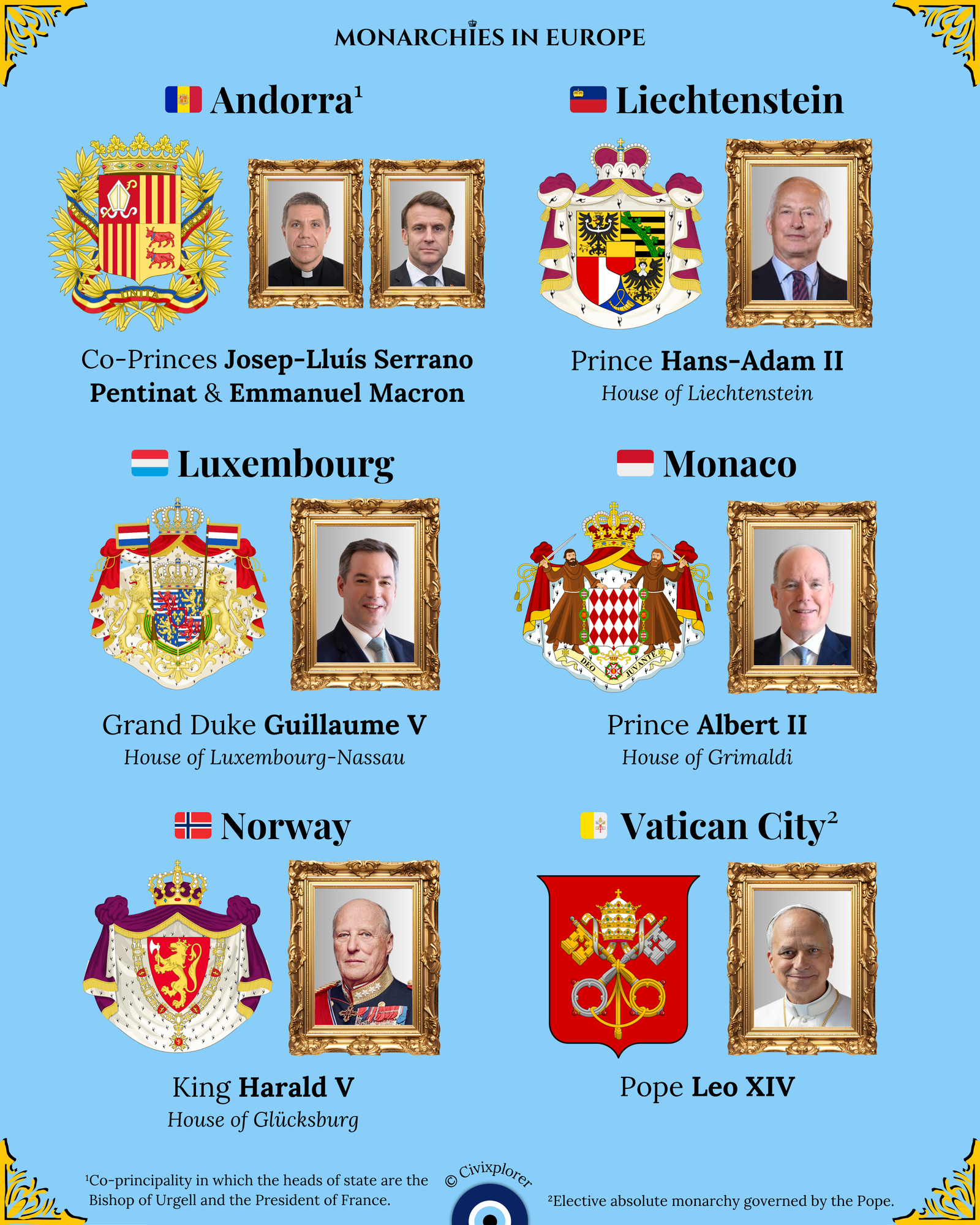
The landscape of European royalty has undergone a remarkable transformation. As of February 2026, a "changing of the guard" has redefined several of the continent’s oldest institutions, marking a transition from 20th-century icons to a new generation of monarchs. This generational turnover is not merely a roster of names; it visualizes a Europe that is actively adapting its traditional heritage to a modern reality.
The year 2025 was particularly pivotal, seeing three major successions. In Vatican City, the election of Pope Leo XIV in May 2025 marked a historic milestone as he became the first American pope in history. His choice of name signals a distinct shift for the Holy See, focusing on social teachings in an era of rapid technological change. Meanwhile, in Luxembourg, Grand Duke Guillaume V assumed the throne in October 2025 following the abdication of his father, Grand Duke Henri. This follows a growing "abdication era" trend seen across the continent, where aging monarchs pass the torch to ensure the institution's continued vitality.
Andorra also saw a significant update with Co-Prince Josep-Lluís Serrano Pentinat fully assuming his role in May 2025. These changes join the relatively recent accession of King Frederik X of Denmark, who took the throne in early 2024. While the "Old Guard" like King Carl XVI Gustaf of Sweden and King Harald V of Norway remain as senior figures, the broader trend is clear: a younger, more media-friendly roster of leaders is keeping the institution of monarchy relevant.
Today, Europe’s 12 remaining monarchies—mostly constitutional in nature—function as non-partisan symbols of continuity and national identity. Whether through the elective absolute monarchy of the Vatican or the unique co-principality of Andorra, these states blend ancient tradition with 21st-century diplomacy. This map captures a moment of stability and renewal, proving that hereditary and traditional rule persists by staying adaptive and modern.
Comments (0)
Join the Conversation
Login to share your thoughts with the community.
Login to Comment